What can you use the ETIAS Visa for? Upon receiving an ETIAS…
What can you use the ETIAS Visa for?
Upon receiving an ETIAS (European Travel Information and Authorisation System) visa, non-EU citizens are free to move across the nations of the Schengen area.
The possibilities are endless. Use it to visit friends, family, medical reasons or meeting new people.
Do you want to be part of winter or summer camps and study programs that are held in Schengen countries?
If you’re worried about all that paperwork you have to file, worry no more. Thanks to the ETIAS Visa, this is made much easier.
How many states can apply for the ETIAS Visa?
There are many states that will need ETIAS authorization to enter EU countries, around 62.
But the rules say that there may be more states added, when this system is expected to go in service.
Where can you travel with the ETIAS Visa?
If you have an ETIAS authorization don’t forget that you are allowed to travel to Schengen countries only and not EU countries.
Not breaking the law is very important if you plan to travel again soon.
What is a crucial step for the ETIAS Visa application process?
Giving true and honest information when filling out the application.
Not only will it raise the chances of getting your visa accepted, it will also help you out in case your documents get lost or stolen.
What do you need to do before submitting the online application?
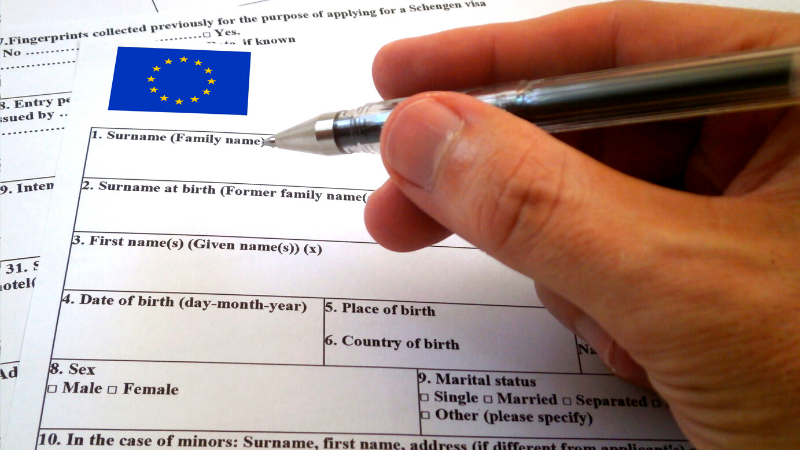
Before submitting the online application for an ETIAS visa you will need to answer some basic personal information so the application process can identify if you should be given a travel authorization.
The ETIAS application will only take you 10 minutes to fill out and will have questions regarding the most basic information about you (name, address, citizenship, etc.).
Individuals under 18 years old can’t apply. Their legal guardian must apply for them instead.
Why is the ETIAS visa being created?
The ETIAS authorization will make it easier to increase security in the European countries, reduce application procedures, improve the management of the European borders and decrease crime and terrorism.